

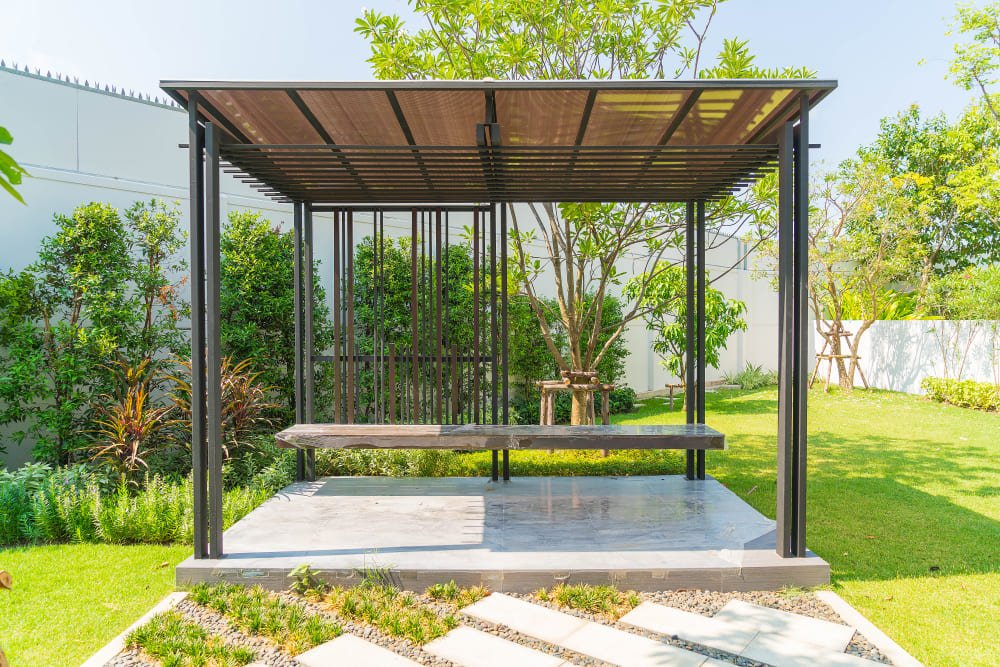
A well-designed garden should be more than something you admire from inside your home. It should be a space where you can relax after a long day, spend quality time with family, entertain guests, and enjoy the beauty of nature. A pergola can help bring these experiences together by creating a defined outdoor living area that blends architecture with the surrounding landscape.
At Mavira Landscapes, we believe every outdoor space has its own potential. Whether it is a spacious villa garden, a compact urban terrace, a landscaped courtyard, or an outdoor seating area at a commercial property, the right pergola can improve how the space looks and functions.
In this guide, we explore practical design approaches, material choices, planting combinations, and planning considerations to help you create an outdoor environment that feels beautiful, comfortable, and suited to your lifestyle.
What Makes a Pergola a Valuable Addition to Your Landscape?
A pergola introduces structure and purpose into an open space without completely separating it from the outdoors. Its framework creates visual definition, while the surrounding garden maintains a sense of openness.
For homeowners considering Pergola Landscaping in India, this balance between architectural design and natural surroundings is particularly important. Outdoor areas need to respond to sunlight, seasonal rainfall, ventilation, available space, and the way people intend to use them.
A thoughtfully planned pergola can serve several purposes:
- Outdoor relaxation: Create a peaceful seating area for reading, enjoying morning tea, or unwinding in the evening.
- Garden dining: Establish a dedicated space for family meals and informal gatherings.
- Visual structure: Add height, depth, and architectural character to an otherwise open garden.
- Plant integration: Support suitable climbing plants that soften the structure and connect it with the landscape.
- Outdoor entertainment: Design an inviting setting for guests, celebrations, and social occasions.
The real value comes from designing the pergola around the property rather than treating it as an isolated structure.
1. Modern Pergola Designs That Complement Your Home
The best pergola is not necessarily the most elaborate one. Its proportions, materials, placement, and detailing should complement the architecture of the property and the surrounding landscape.
When exploring Modern Pergola Design Ideas, consider how the structure will look from inside the house, from the garden entrance, and from the seating area itself.
Minimalist Pergolas for Contemporary Homes
Clean lines, balanced proportions, and understated finishes work particularly well with modern architectural styles. A simple pergola with a refined frame can create a sophisticated outdoor lounge without competing with the home’s existing design.
Neutral colours, carefully positioned planters, and coordinated outdoor furniture help maintain a cohesive appearance.
Natural Wooden Pergolas
Wood introduces warmth and texture into a garden. Its natural character works beautifully with stone pathways, flowering borders, mature trees, and informal planting arrangements.
The choice of timber, protective treatment, and finishing system should reflect the site’s exposure to moisture, sunlight, and seasonal weather. These details are essential for maintaining the appearance and longevity of the structure.
Contemporary Metal Pergolas
Metal pergolas can provide a crisp, architectural appearance with relatively slender structural elements. Depending on the design, they can suit modern villas, landscaped terraces, hospitality spaces, and commercial outdoor environments.
Finishes and protective coatings should be selected according to the local climate and maintenance requirements.
The objective is to create a structure that feels like a natural extension of the property rather than an addition that appears visually disconnected.
2. Choosing the Right Pergola Location
Location can make a greater difference to the success of a pergola than decorative features alone. A beautifully constructed structure may remain underused if it receives excessive afternoon sun, obstructs movement, or feels disconnected from the garden.
Professional Pergola Landscaping in India should begin with an assessment of the available space, sun exposure, circulation routes, existing vegetation, and intended use.
For a garden, the pergola might frame a seating area overlooking the lawn or sit beside a landscaped pathway. In a villa, it could connect an indoor living room with the outdoor garden, creating a smoother transition between the two environments.
On a terrace, the design should account for access, privacy, drainage, and the structural capacity of the building. The placement and anchoring of posts should be reviewed appropriately before installation.
For commercial properties, resorts, and hospitality projects, pergolas can define outdoor dining areas, waiting spaces, or garden lounges while maintaining a welcoming relationship with the surrounding landscape.
At Mavira Landscapes, the design process should consider how the space will actually be used, not simply how it will appear in photographs.
3. Integrating Plants with Your Pergola Design
Plants can transform a pergola from a standalone architectural feature into an integral part of the garden. The combination of a structured frame and softer foliage creates contrast, depth, and a more natural appearance.
Several planting approaches can work well, depending on the location and maintenance requirements.
Climbing plants: Suitable climbers can be trained along designated supports to introduce foliage and seasonal colour. Their mature size, growth habit, and weight should be considered before selecting the plant and designing the frame.
Potted greenery: Large planters positioned around the posts can soften the structure without requiring climbing plants to cover it. This approach also allows more flexibility when updating the garden.
Layered planting: Combining ground-level plants, medium-height shrubs, and taller greenery can help the pergola feel connected to the wider landscape rather than isolated in an open space.
Flowering accents: Carefully selected flowering plants can introduce colour and seasonal interest while complementing the pergola’s materials and finishes.
When developing Modern Pergola Design Ideas, planting should be planned alongside the structure itself. Irrigation access, sunlight requirements, root growth, drainage, and the eventual size of the plants all influence the finished result.
The aim is to achieve a balanced composition in which the architecture and planting enhance one another.
4. Selecting Materials for Indian Weather Conditions
India’s diverse climate makes material selection an important part of pergola planning. A design suitable for a dry inland region may require different detailing in a humid coastal location or an area that experiences heavy monsoon rainfall.
For successful Pergola Design in India, materials should be chosen according to local conditions, structural requirements, the desired appearance, and the level of maintenance the owner is prepared to undertake.
Wood
Wood offers a warm, natural finish that pairs well with gardens and traditional architecture. However, outdoor timber requires suitable treatment and periodic maintenance to manage moisture exposure, weathering, and potential pest damage.
Metal
Steel can provide strength and design flexibility, while aluminium may be appropriate for lightweight, contemporary structures. Protective finishes, corrosion resistance, connection details, and drainage should be considered carefully.
Stone and Concrete Elements
Stone or concrete can complement a pergola through integrated seating, planters, paving, and supporting landscape features. Their visual weight should be balanced with the size of the garden and the proportions of the frame.
Roofing and Shade Options
An open pergola typically provides filtered shade rather than complete protection from rain. If the space needs to remain usable during wet weather, suitable roofing, a retractable canopy, or an adjustable louvre system may be considered.
Roof pitch, drainage, ventilation, wind exposure, and the additional structural load must be evaluated before finalising the design.
A well-planned Pergola Design in India considers these practical requirements from the beginning, helping avoid expensive modifications after construction.
5. Lighting That Changes the Outdoor Experience
Lighting allows a pergola to remain useful and inviting after sunset. Instead of relying on a single bright fitting, consider how different layers of light can support the activities planned for the space.
Warm, carefully positioned lighting can highlight the structure’s beams and create a comfortable atmosphere around seating areas. Subtle pathway lights can improve navigation, while accent lighting can draw attention to selected plants, textured walls, or architectural features.
For outdoor dining, functional illumination should be provided where it is needed without making the entire space feel overly bright. Decorative pendants or concealed lighting may also be incorporated where suitable for the design.
All outdoor electrical components must be rated for their installation conditions, with appropriate weather protection and safe electrical installation.
Among the most effective Modern Pergola Design Ideas are those that treat lighting as part of the original landscape plan rather than as a finishing detail added at the last moment.
6. Creating a Comfortable Outdoor Seating Area
A pergola becomes genuinely valuable when the space beneath it is comfortable enough to use regularly.
Start by deciding whether the area will function as a quiet retreat, an outdoor dining space, or a place for entertaining guests. This decision determines the furniture arrangement, circulation space, lighting requirements, and accessories.
For a relaxed garden lounge, consider weather-appropriate seating, a central table, and planters that provide a sense of enclosure without blocking airflow.
For dining, allow enough room for chairs to move comfortably and for people to walk around the table. In a smaller terrace, compact furniture and a carefully proportioned structure can help preserve usable floor space.
Privacy may also be important, particularly in urban gardens and terraces. Planting, screens, or appropriately positioned landscape elements can provide a greater sense of separation without making the area feel closed in.
With considered Pergola Landscaping in India, even an underused corner can become a purposeful outdoor space that supports everyday living.
7. Why Professional Pergola Planning Matters
A successful pergola involves more than selecting a frame and choosing a finish. Its design needs to work with the property’s architecture, ground conditions, landscape layout, climate, and intended use.
Professional planning helps coordinate these elements before construction begins.
The process should include assessing the available area, establishing the structure’s purpose, selecting appropriate materials, considering drainage and weather protection, and integrating lighting and planting into the overall design.
For elevated terraces or roof structures, a qualified professional should assess structural capacity, anchoring, wind loads, and any applicable building or community requirements. Additional approvals may be necessary depending on the property and proposed construction.
For property owners exploring Pergola Design in India, working with an experienced landscaping team can help bring the architectural and horticultural aspects of the project together.
At Mavira Landscapes, the focus is on creating outdoor environments that combine thoughtful design, practical functionality, and a strong connection with nature.
Transform Your Outdoor Space with Mavira Landscapes
A pergola should do more than add an attractive feature to your property. It should improve the way you experience your garden, connect indoor and outdoor spaces, and create an environment that feels comfortable and purposeful.
Whether you are planning a contemporary villa garden, a landscaped terrace, a welcoming courtyard, or a commercial outdoor setting, the right design begins with understanding your space and your requirements.
Mavira Landscapes brings together landscape design, planting, hardscaping, lighting, and outdoor space planning to create cohesive environments tailored to individual projects.
If you are considering a new pergola or upgrading an existing outdoor area, explore the possibilities with Mavira Landscapes. A carefully planned structure, supported by the right materials and landscaping, can turn an overlooked area into one of the most enjoyable parts of your property.
Ready to plan your pergola project? Visit Mavira Landscapes to explore our landscaping services and discuss a design suited to your outdoor space.